Damji comparison
Used phone comparisons
Comparisons built around the differences that matter when buying used in Morocco.
25 Compare modelsFR · AR · EN2026
All guides
Compare popular models using catalogue specifications and prices actually observed on Damji.
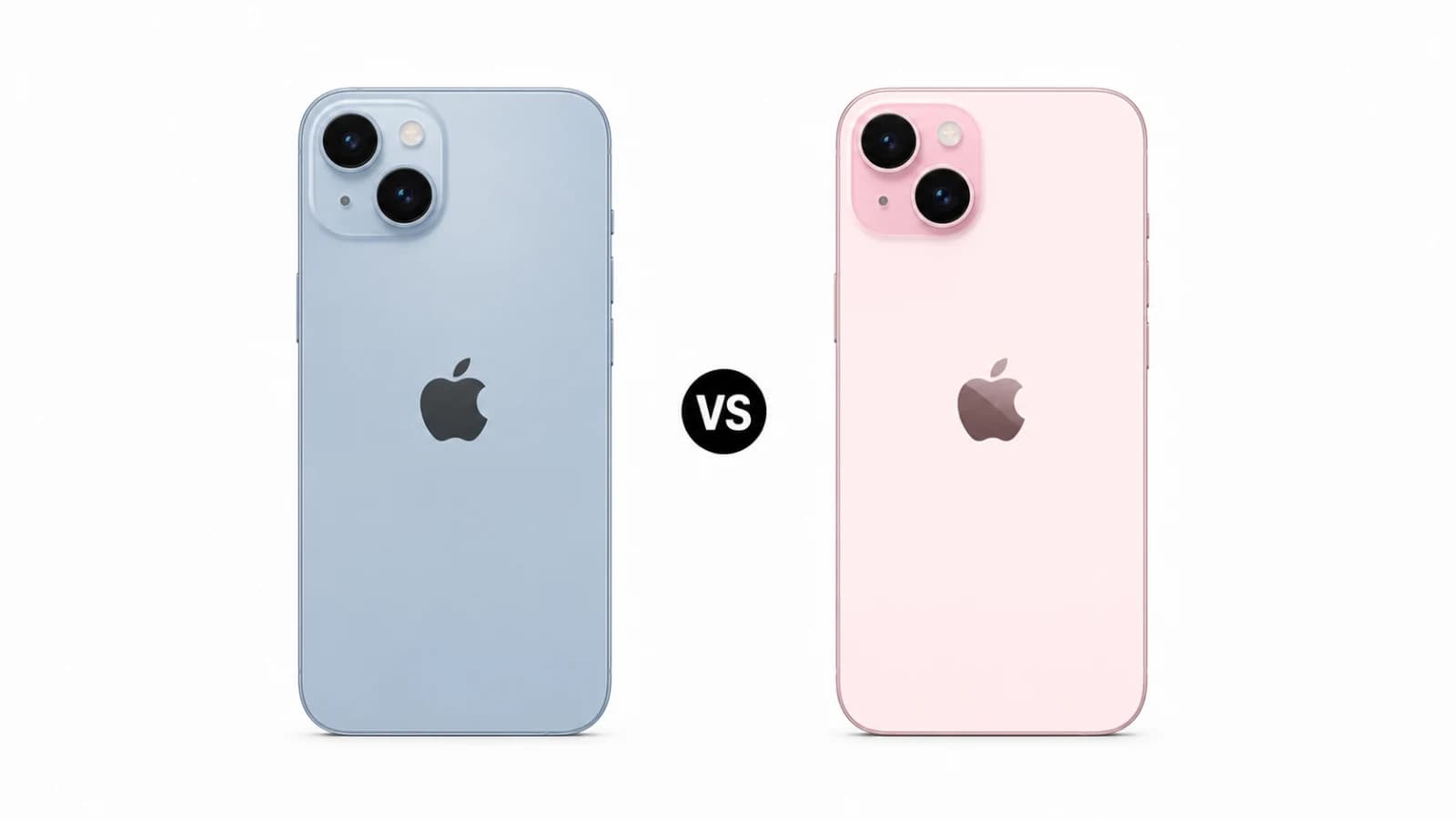
iPhone 14 or iPhone 15?
The iPhone 15 improves daily use with USB-C, Dynamic Island and a sharper main camera. The iPhone 14 only wins when its condition and price are clearly better.
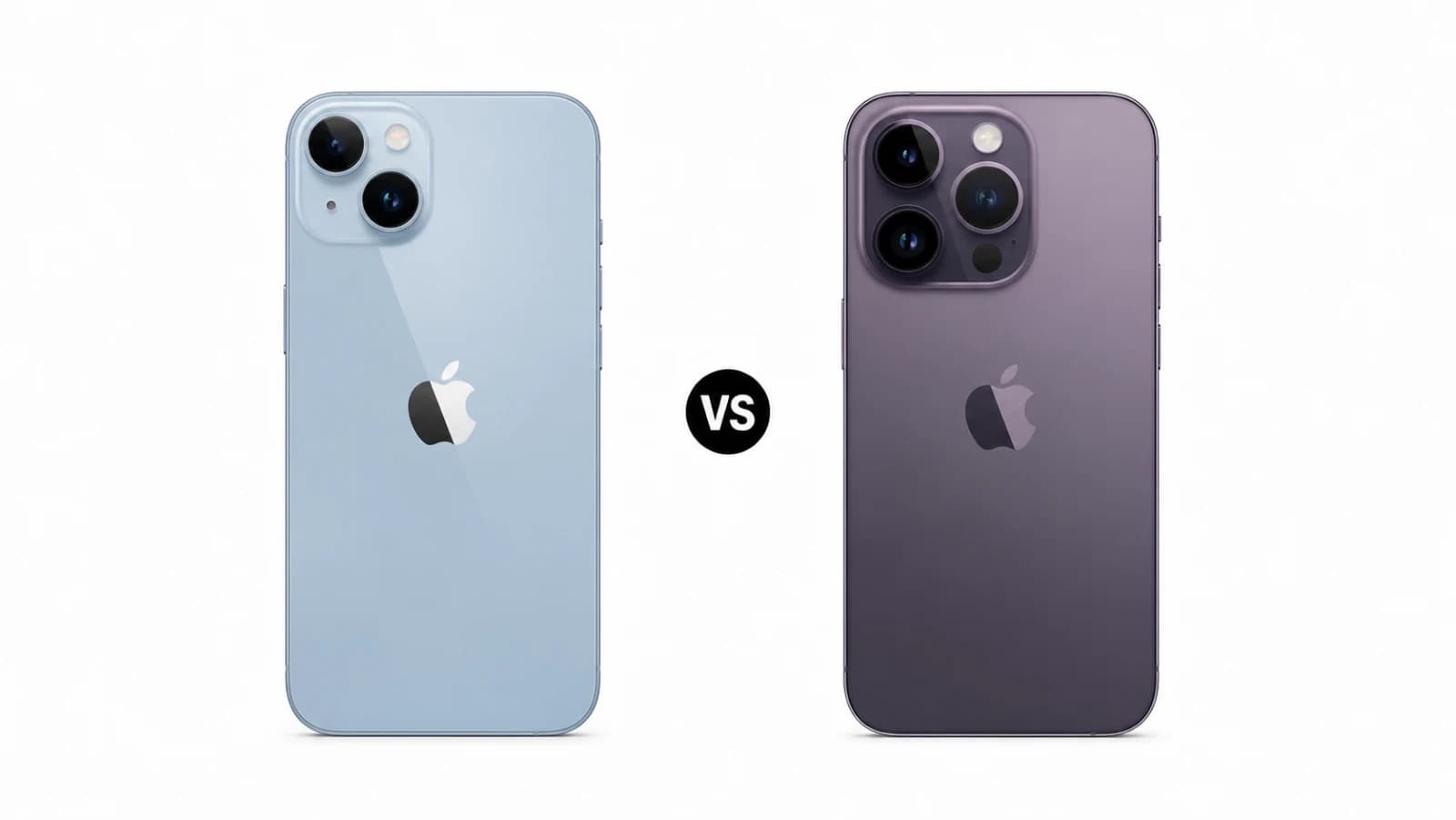
iPhone 14 or iPhone 14 Pro?
The iPhone 14 is lighter and simpler; the 14 Pro adds 120 Hz, a telephoto camera and a heavier premium build.
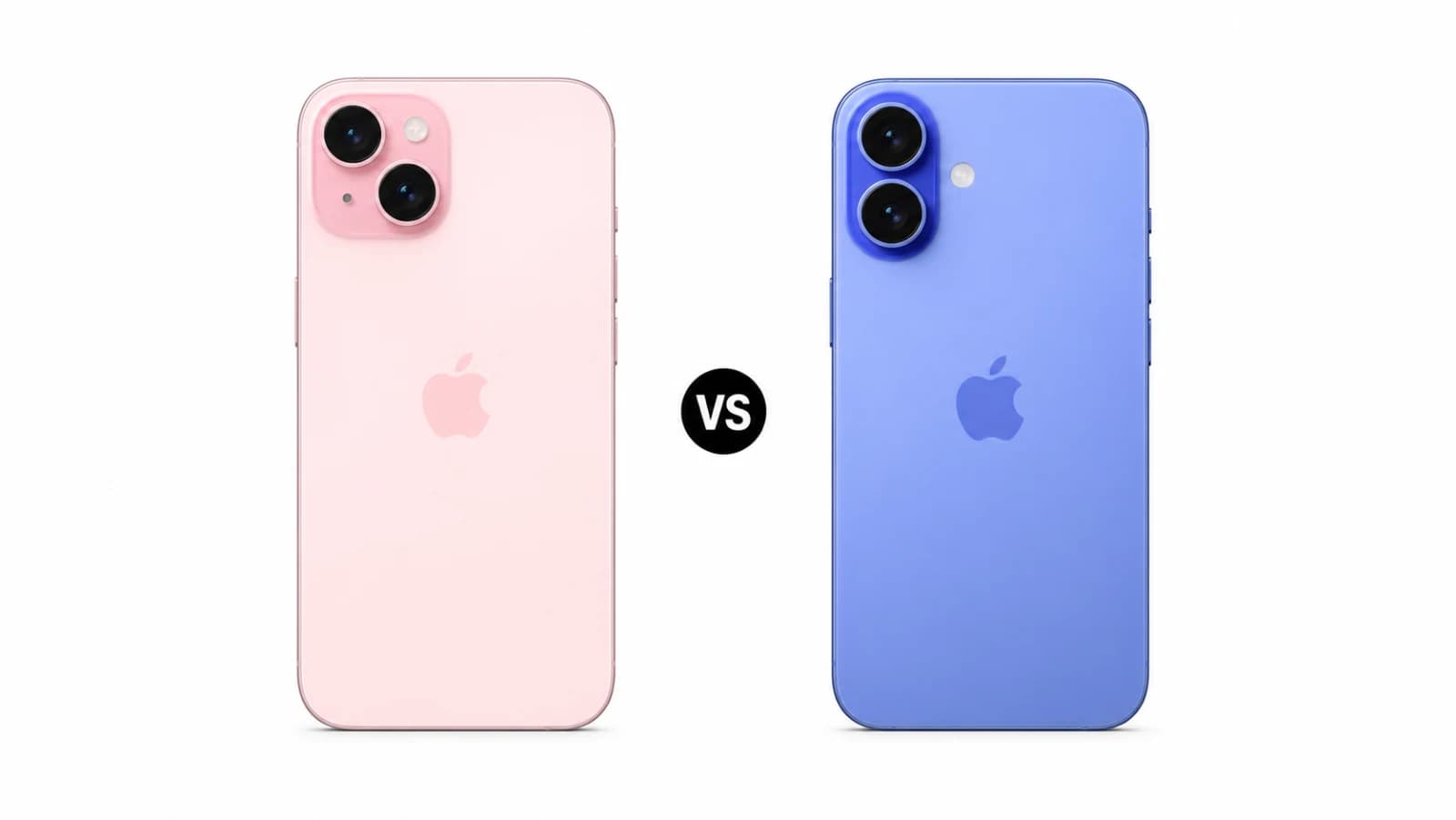
iPhone 15 or iPhone 16?
The iPhone 16 brings a newer chip and camera controls, while the iPhone 15 already has the USB-C and Dynamic Island changes that matter most each day.
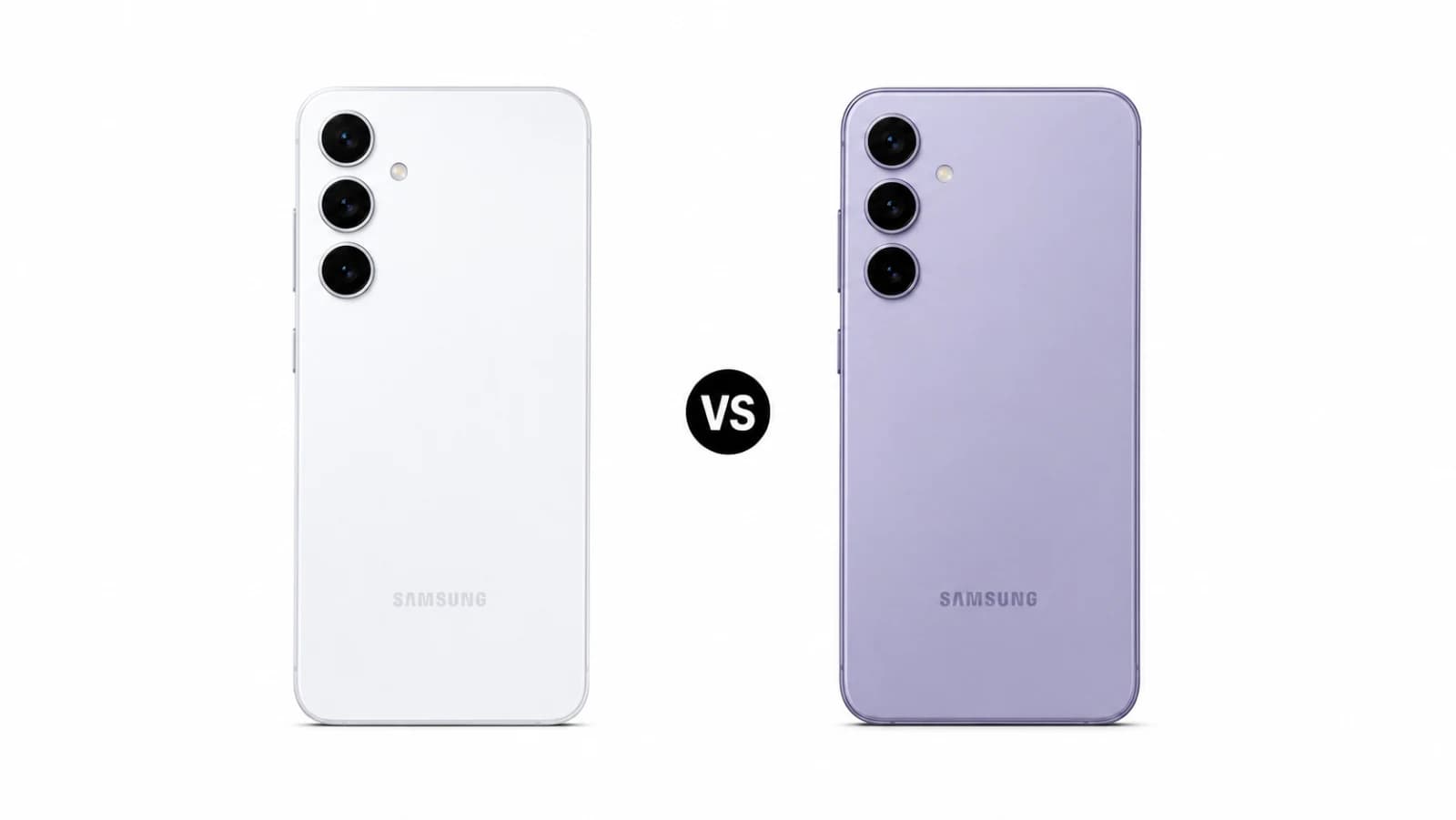
Galaxy A35 or Galaxy A55?
Both share the essentials: 120 Hz AMOLED, resistance and long software support. The A55 mainly buys a more premium build and extra performance headroom.
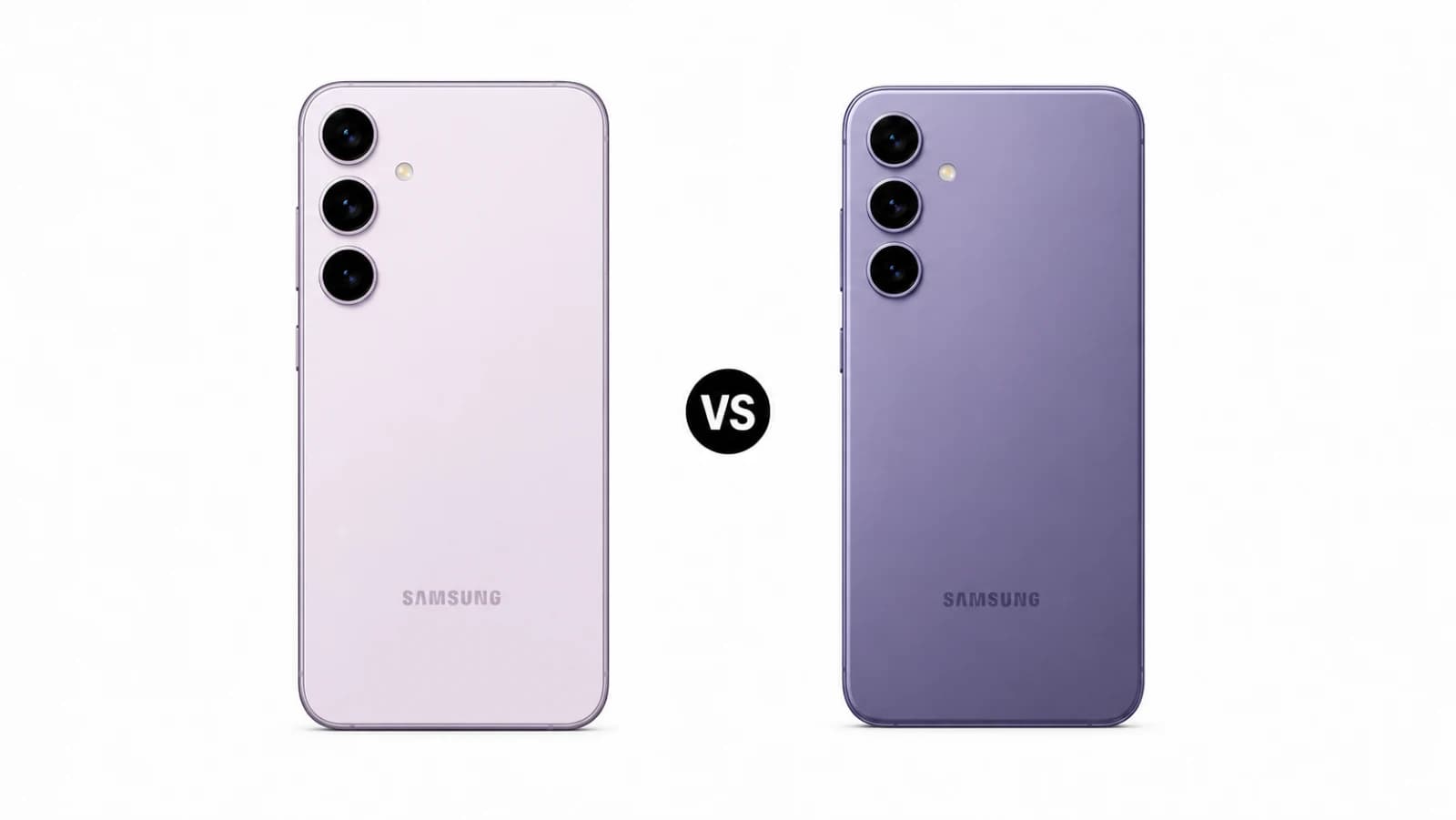
Galaxy S23 or Galaxy S24?
The Galaxy S24 refines the S23 with a brighter display and much longer support. The S23 remains fast and can deliver stronger used-market value.
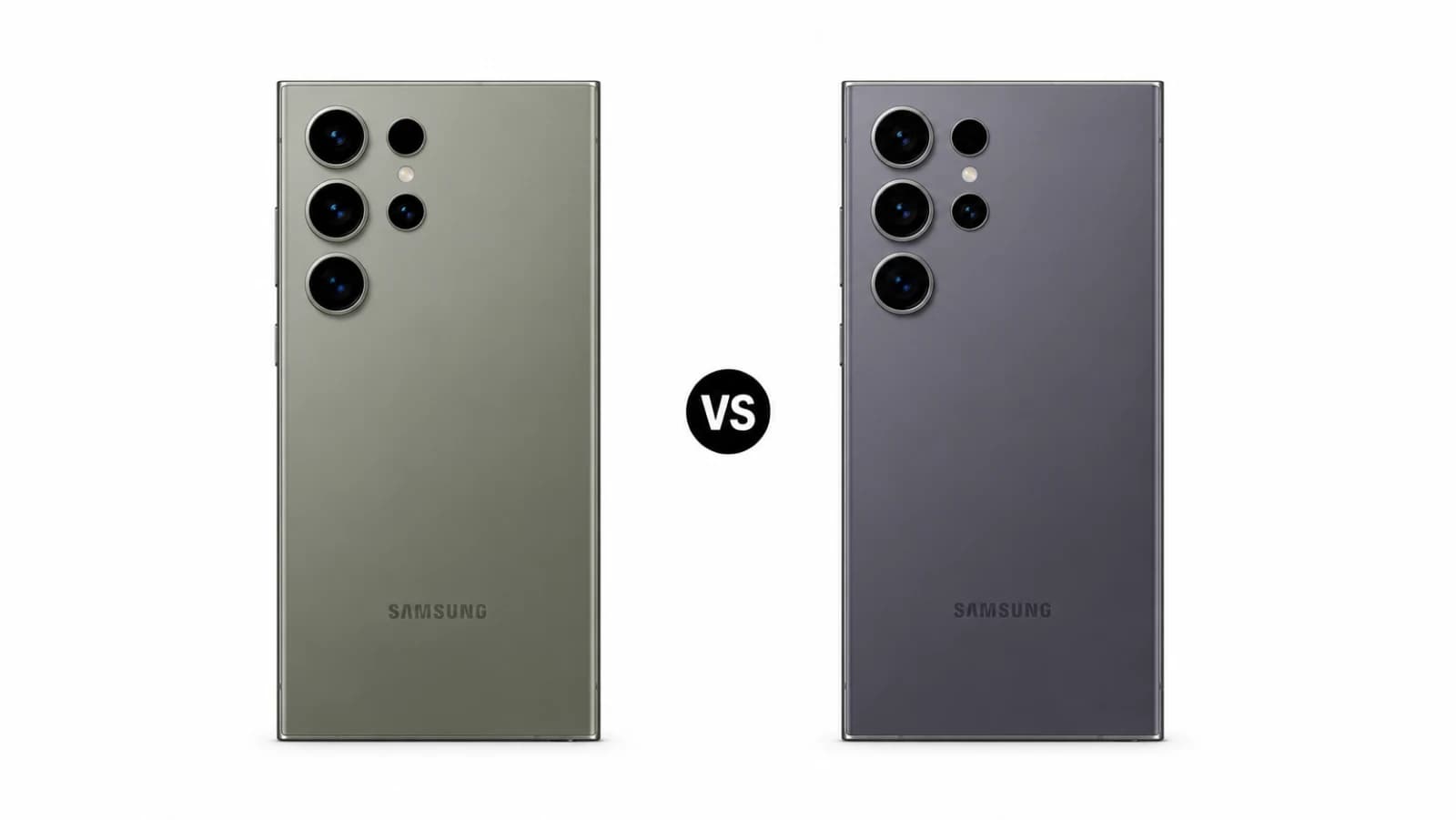
Galaxy S23 Ultra or Galaxy S24 Ultra?
The S24 Ultra refines an already complete S23 Ultra. The real decision is flat display, support life, camera processing and price—not raw speed.
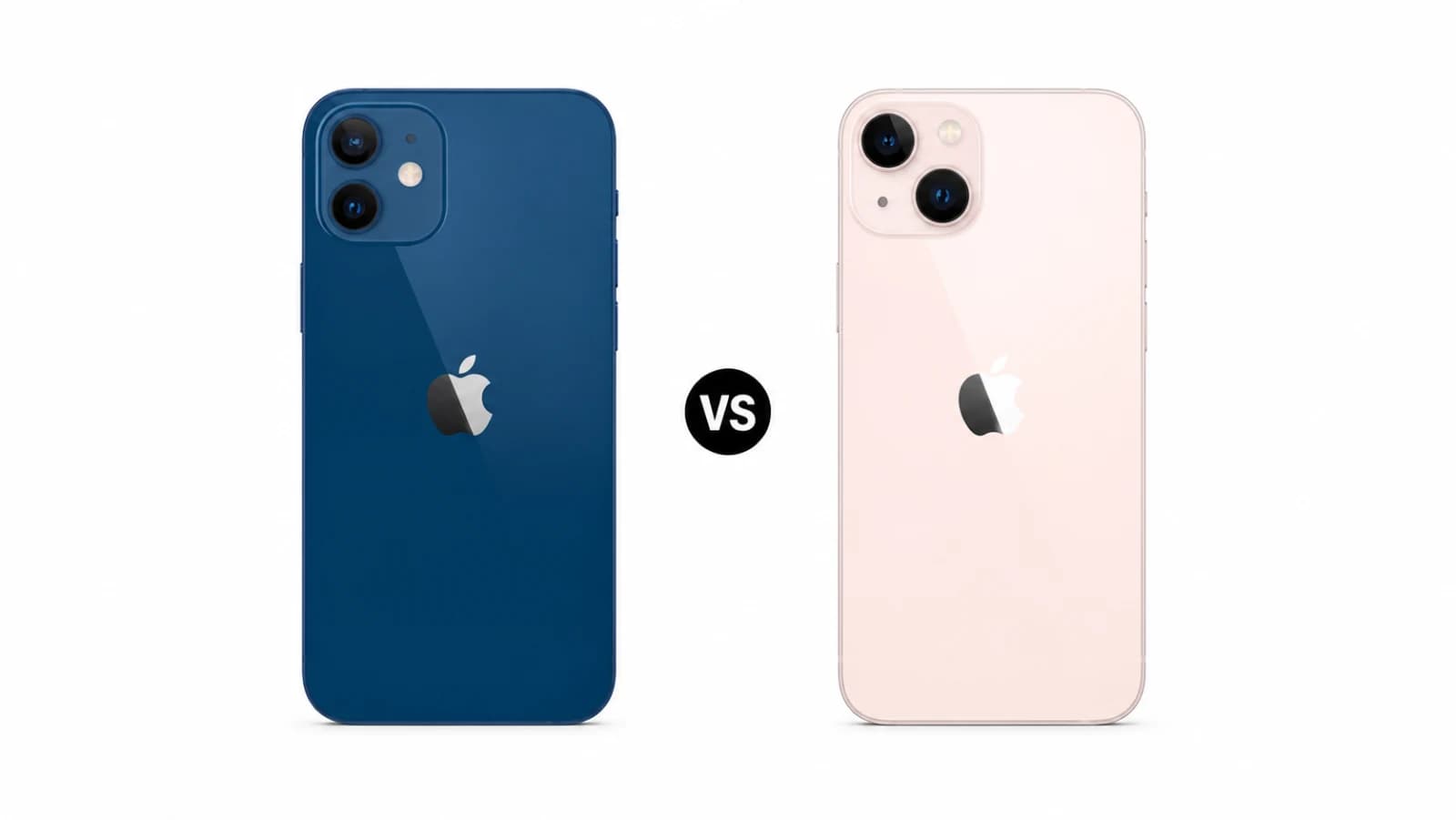
iPhone 12 or iPhone 13?
The iPhone 13 looks similar but its battery, brightness and base storage make it easier to recommend today.
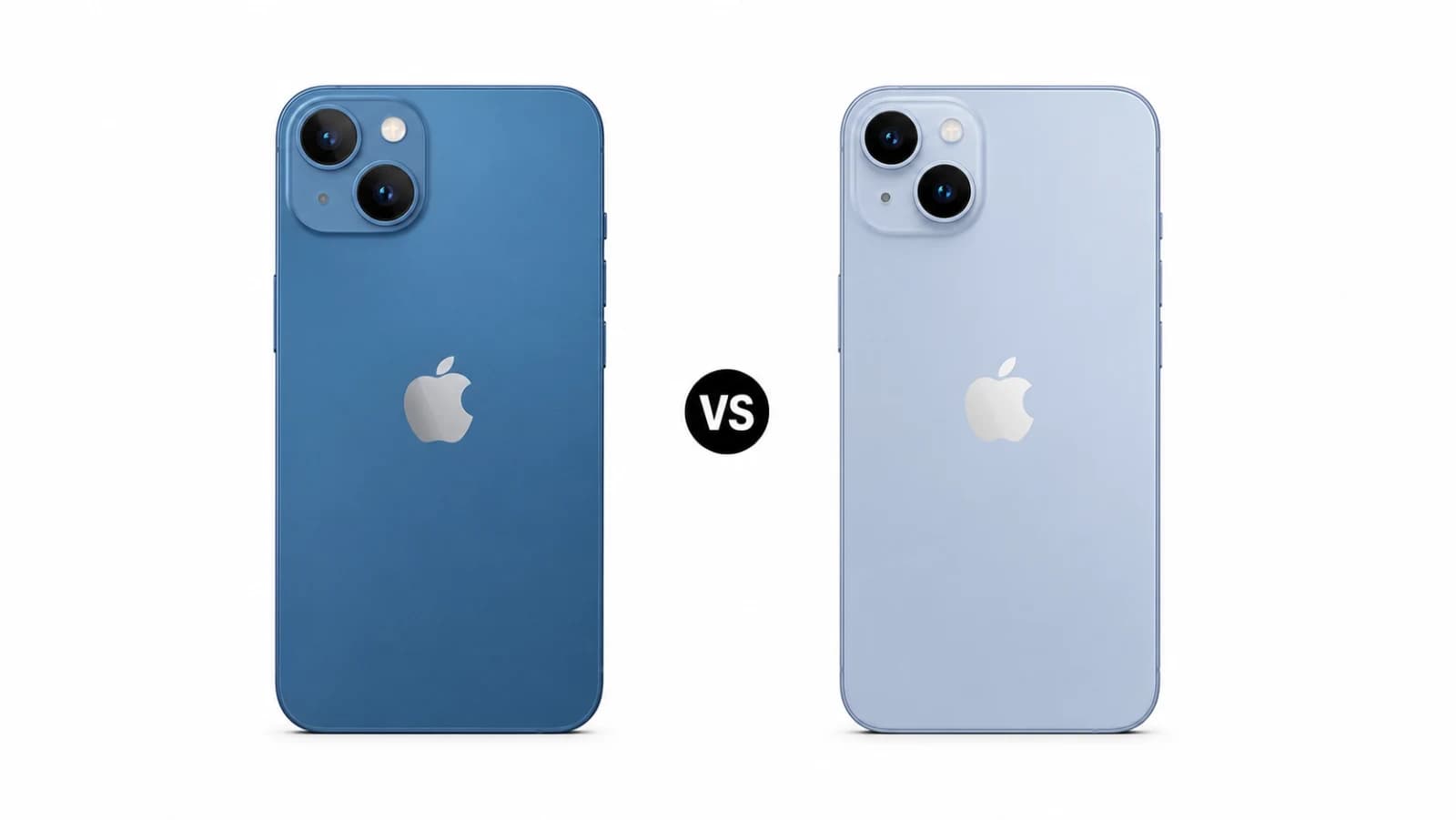
iPhone 13 or iPhone 14?
The jump from 13 to 14 is small: performance and display are close. Real condition and price should decide before generation number.
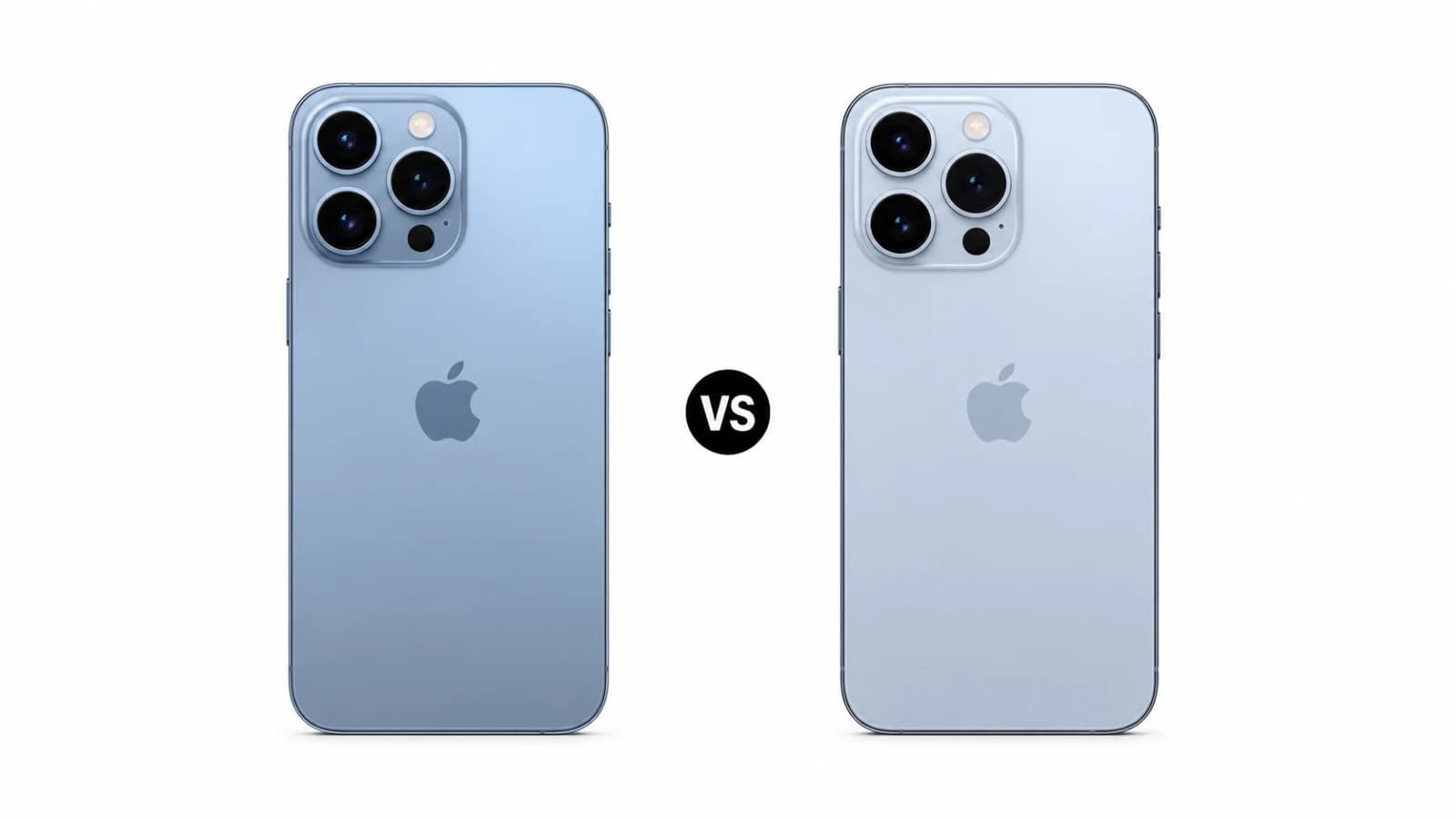
iPhone 13 Pro or iPhone 14 Pro?
The 14 Pro adds Dynamic Island and a stronger main camera; the 13 Pro keeps 120 Hz, telephoto and a very similar experience.
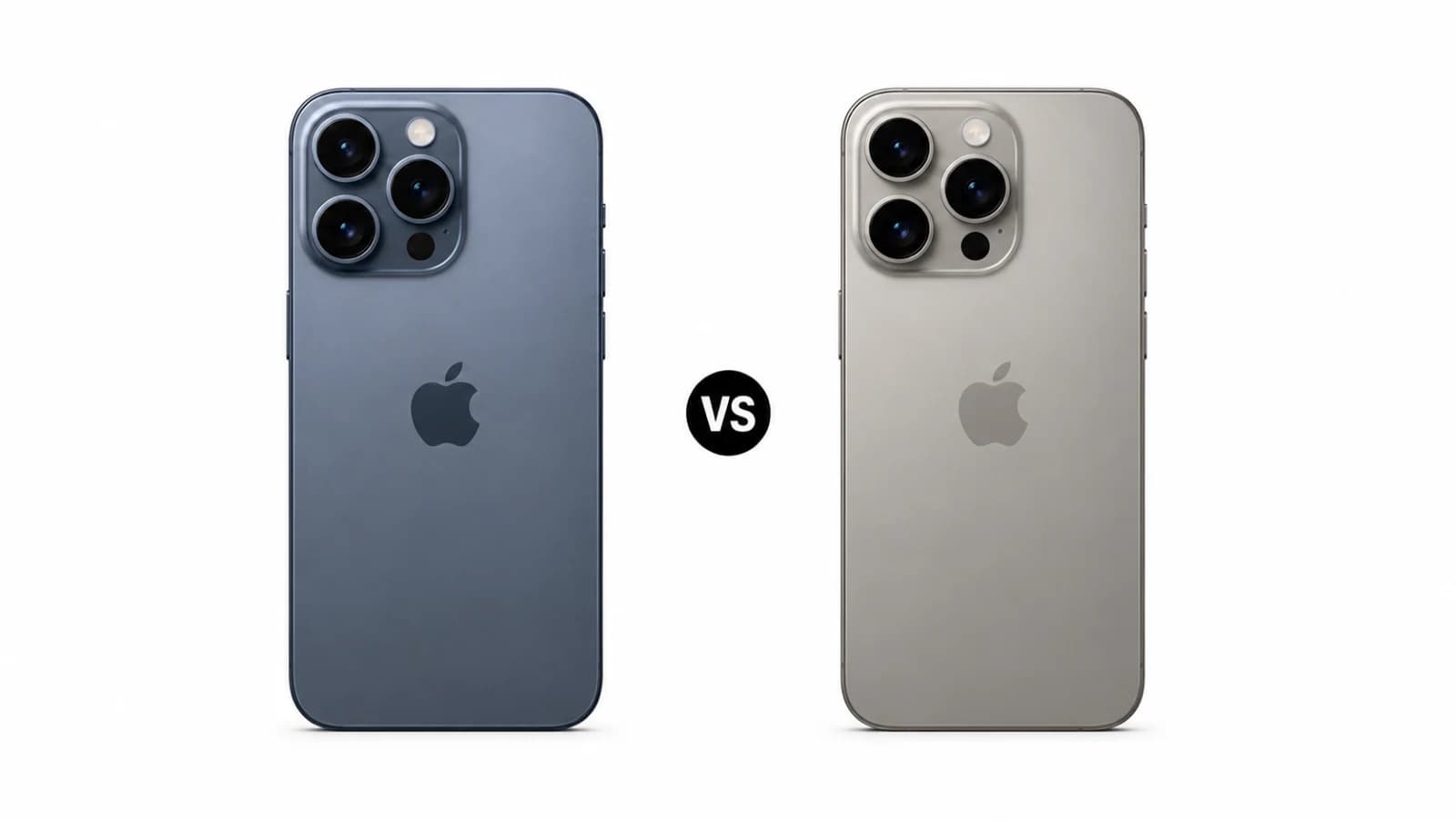
iPhone 15 Pro or iPhone 16 Pro?
Both offer USB-C, 120 Hz and a Pro build. The 16 Pro mainly adds ownership runway, a slightly larger display and refined cameras.
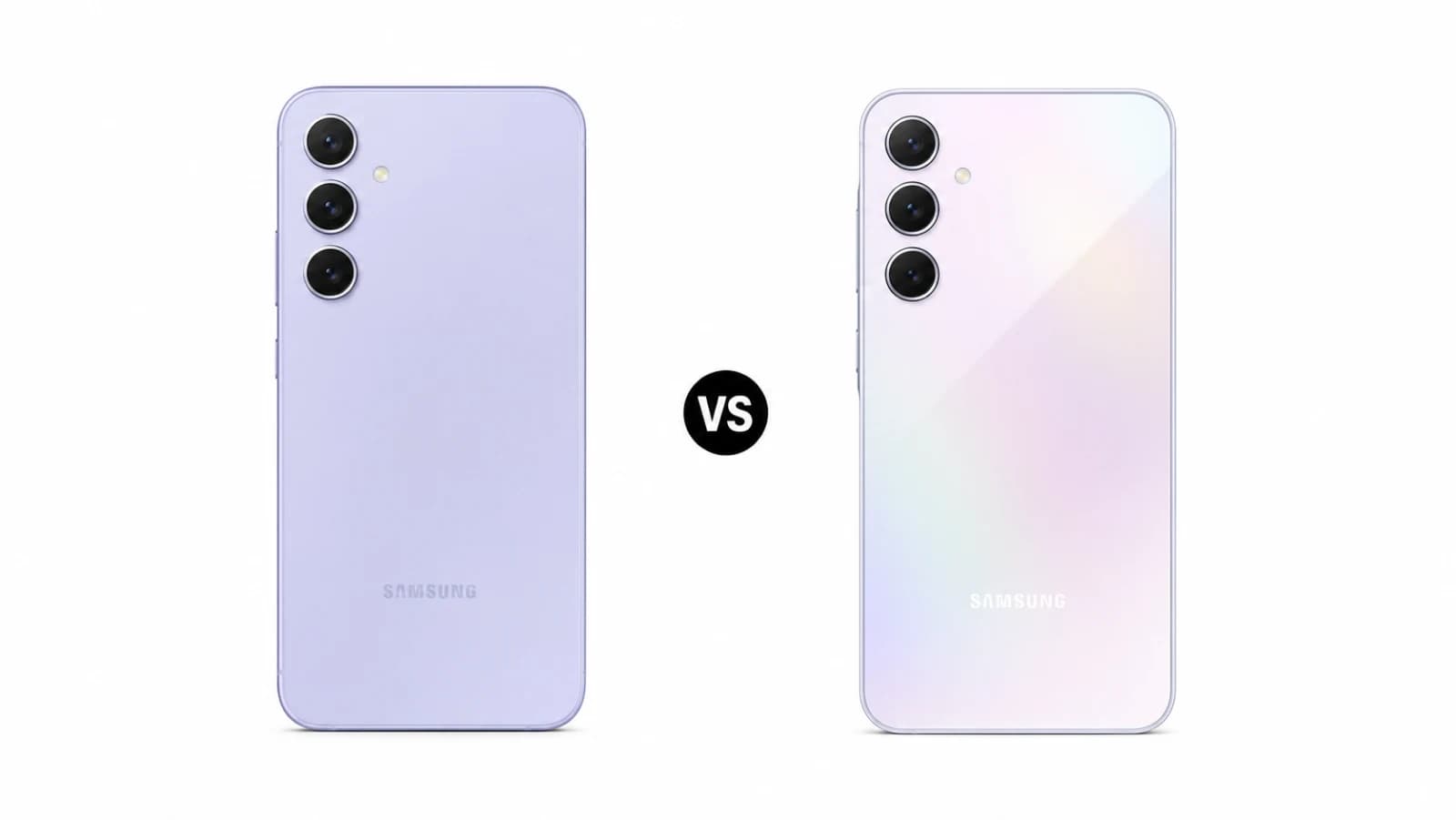
Galaxy A34 or Galaxy A35?
The A35 updates build and chipset without transforming the A34 experience. Price and remaining support matter most.
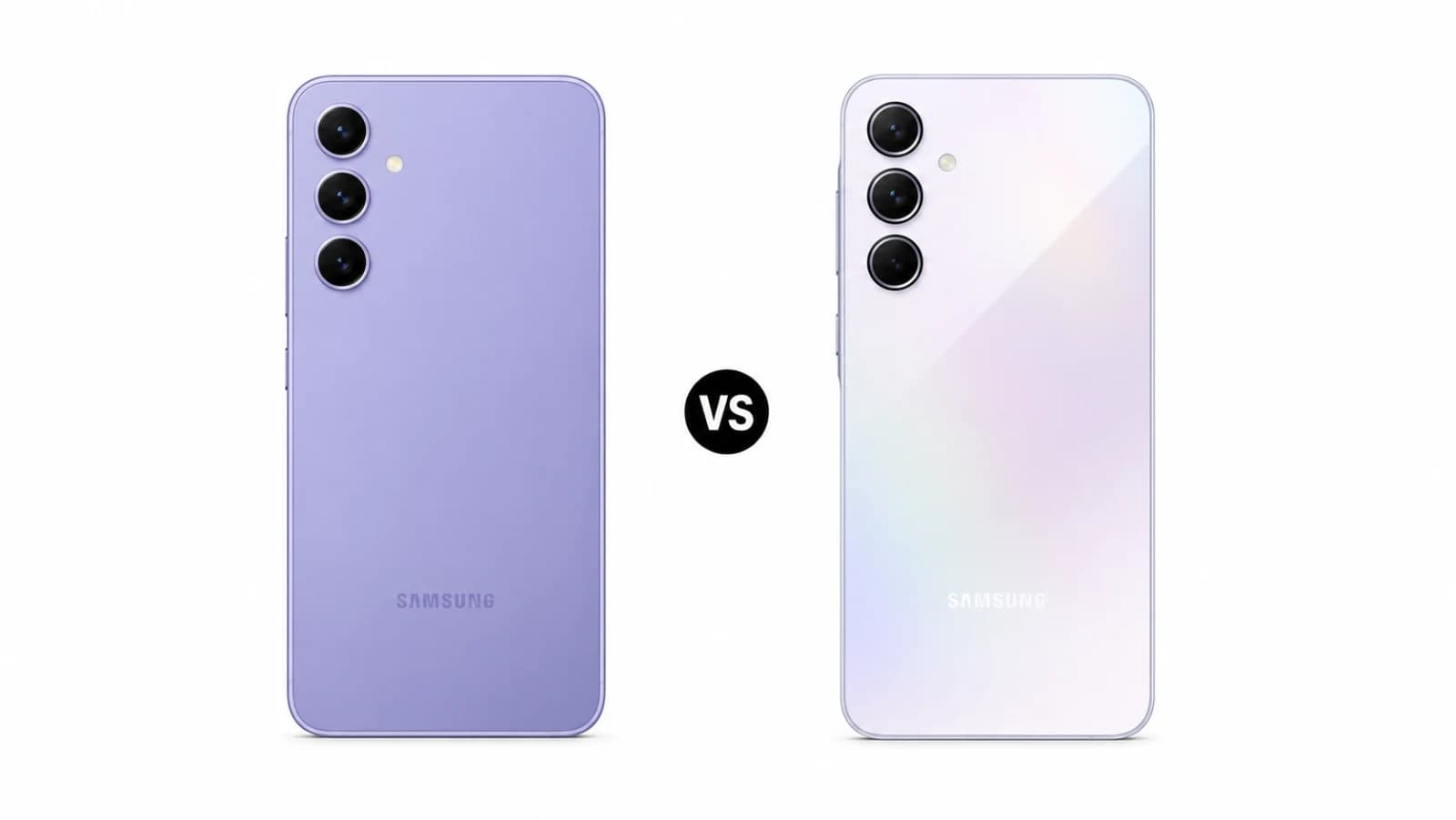
Galaxy A54 or Galaxy A55?
The A55 improves the build and performance of an already balanced A54. In used condition, the premium matters mostly for gaming and longer ownership.
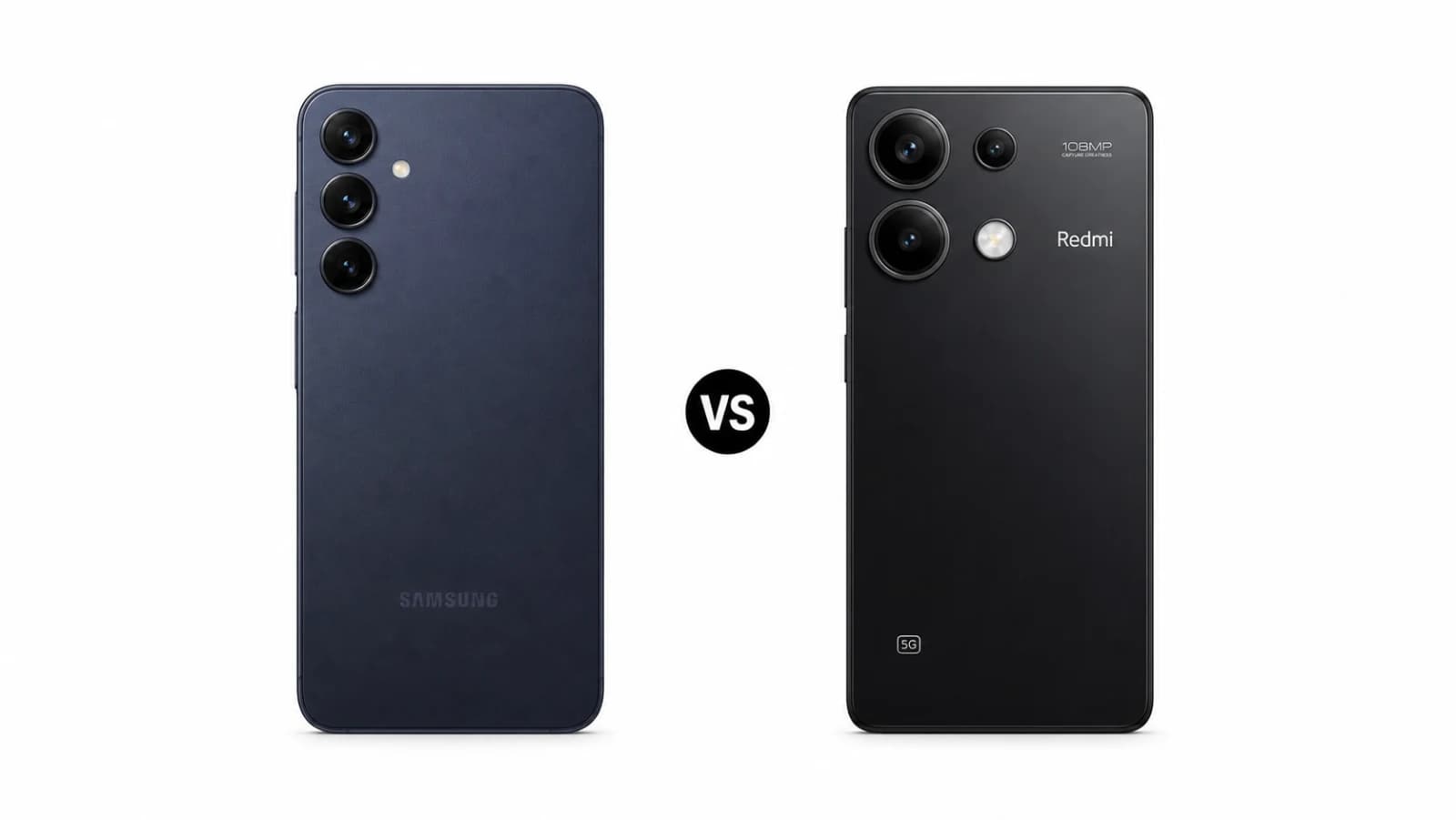
Galaxy A25 or Redmi Note 13?
The Galaxy A25 leans on Samsung software and support; the Redmi Note 13 offers more hardware for the money. Software preference and real condition decide.
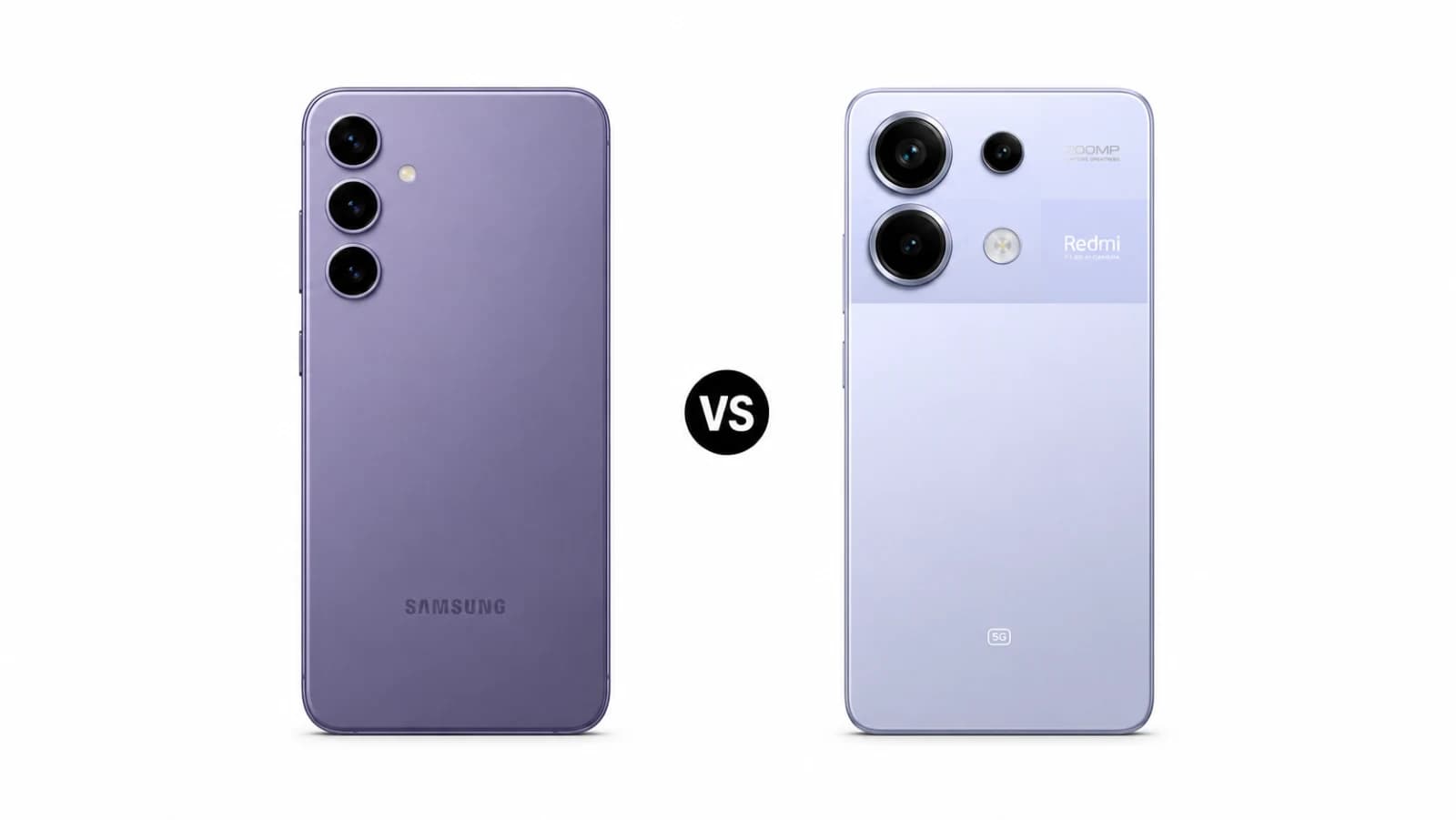
Galaxy A35 or Redmi Note 13 Pro+?
The A35 prioritises balance and resistance; the Redmi Note 13 Pro pushes display, charging and camera resolution. Software is the real trade-off.
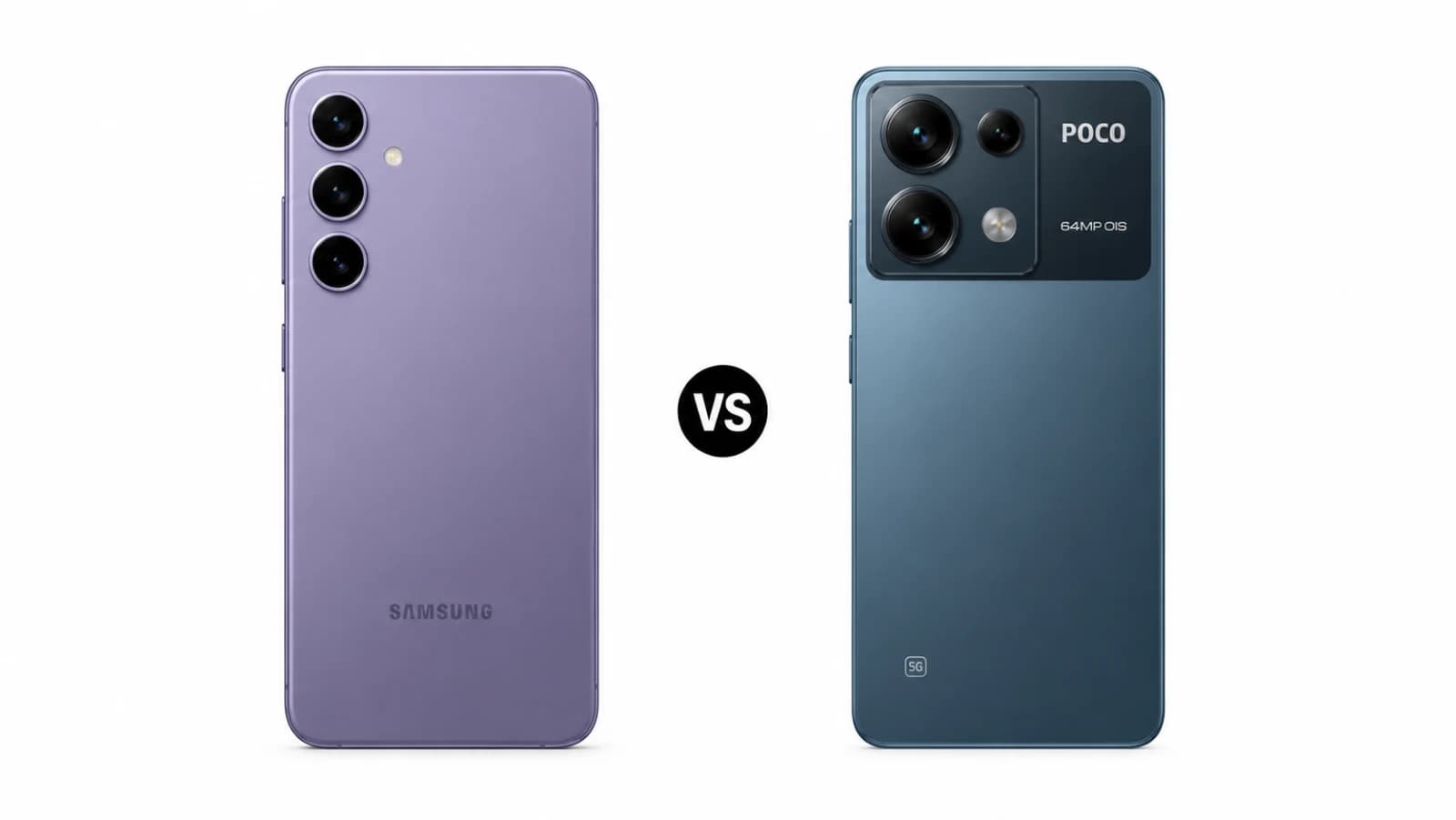
Galaxy A55 or POCO X6?
The A55 aims for balanced long-term use; the POCO X6 prioritises speed, display and charging for the price.
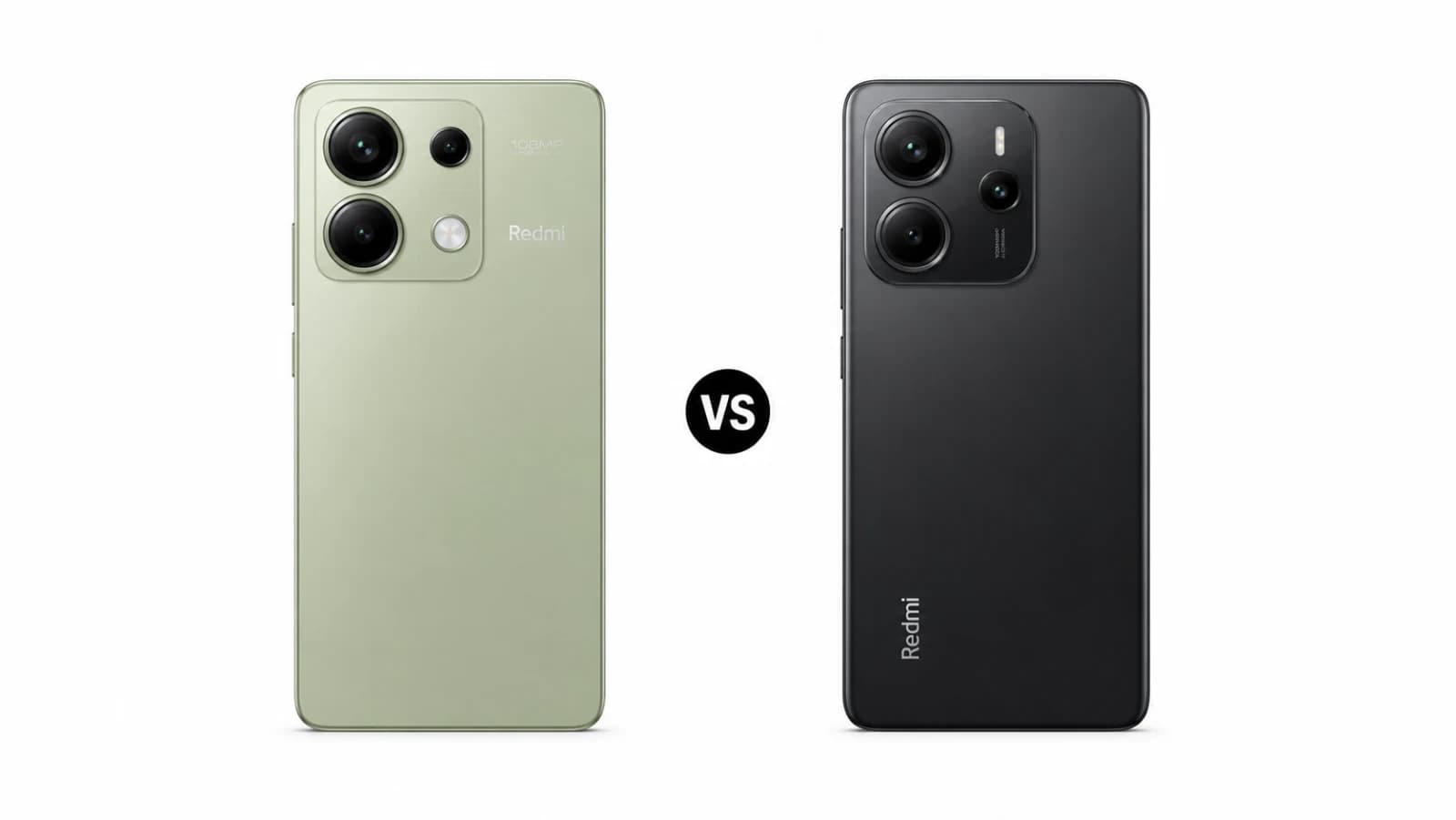
Redmi Note 13 or Redmi Note 14?
The Note 14 refines a strong formula; the Note 13 becomes attractive with real depreciation. Identify the exact 4G or 5G variant first.
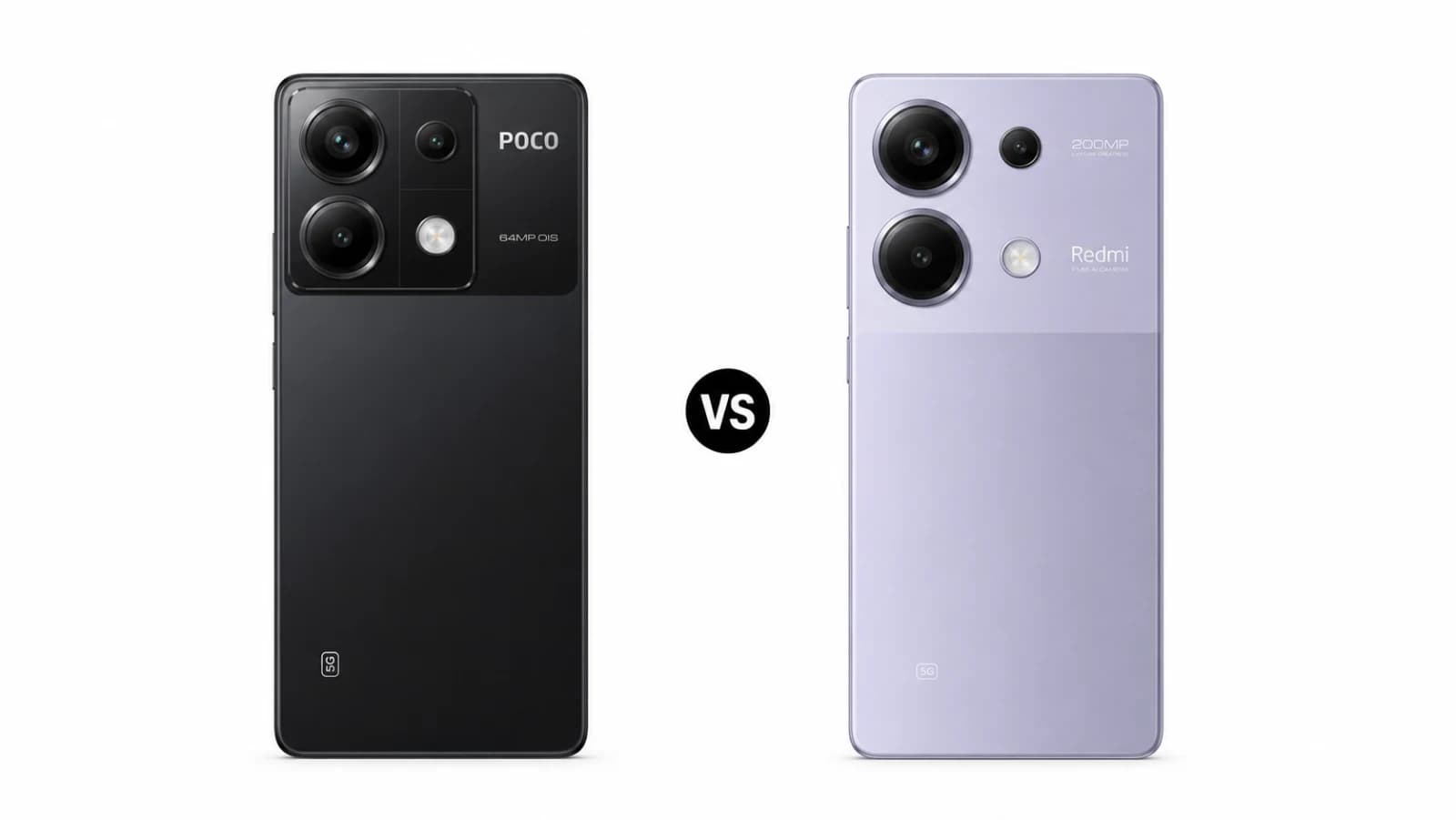
POCO X6 or Redmi Note 13 Pro+?
These technical cousins split by intent: POCO X6 prioritises performance while Redmi Note 13 Pro leans toward photography.
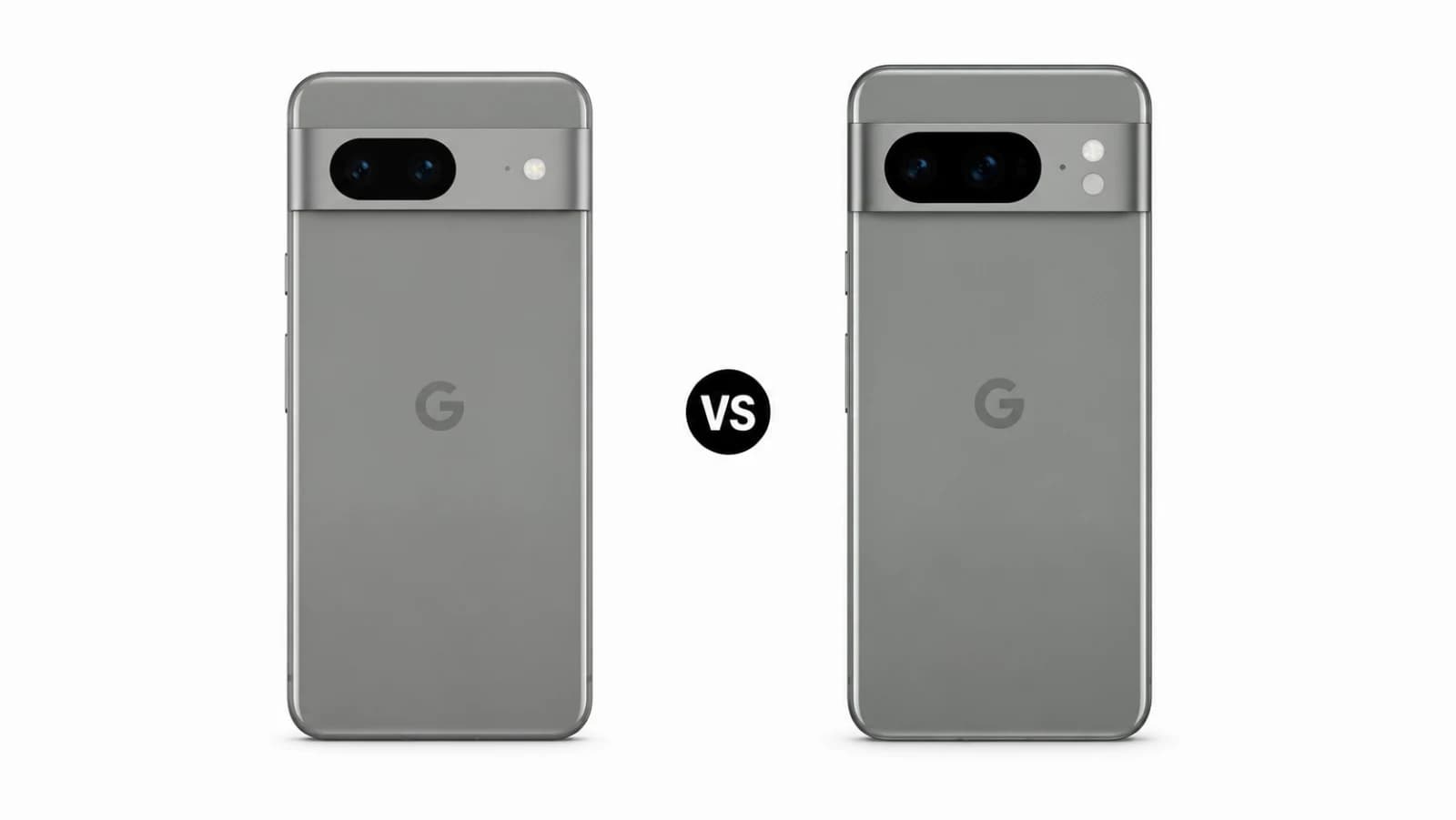
Pixel 7 or Pixel 8?
The Pixel 8 fixes key Pixel 7 limits with a brighter screen and much longer support. Pixel 7 remains a strong camera entry point when deeply discounted.
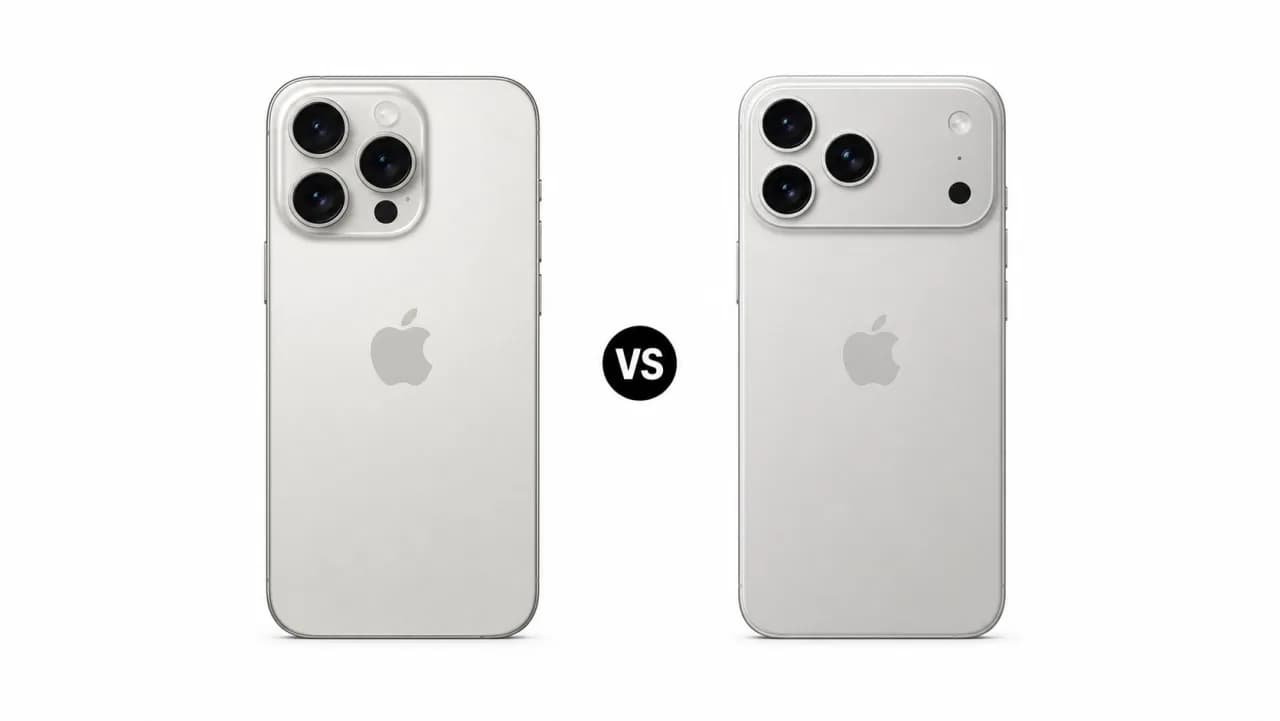
iPhone 16 Pro or iPhone 17 Pro?
Both Pro phones keep a compact 6.3-inch format. The 17 Pro buys a newer chip, brighter outdoor display and a newer telephoto generation; a discounted 16 Pro already covers most real use.
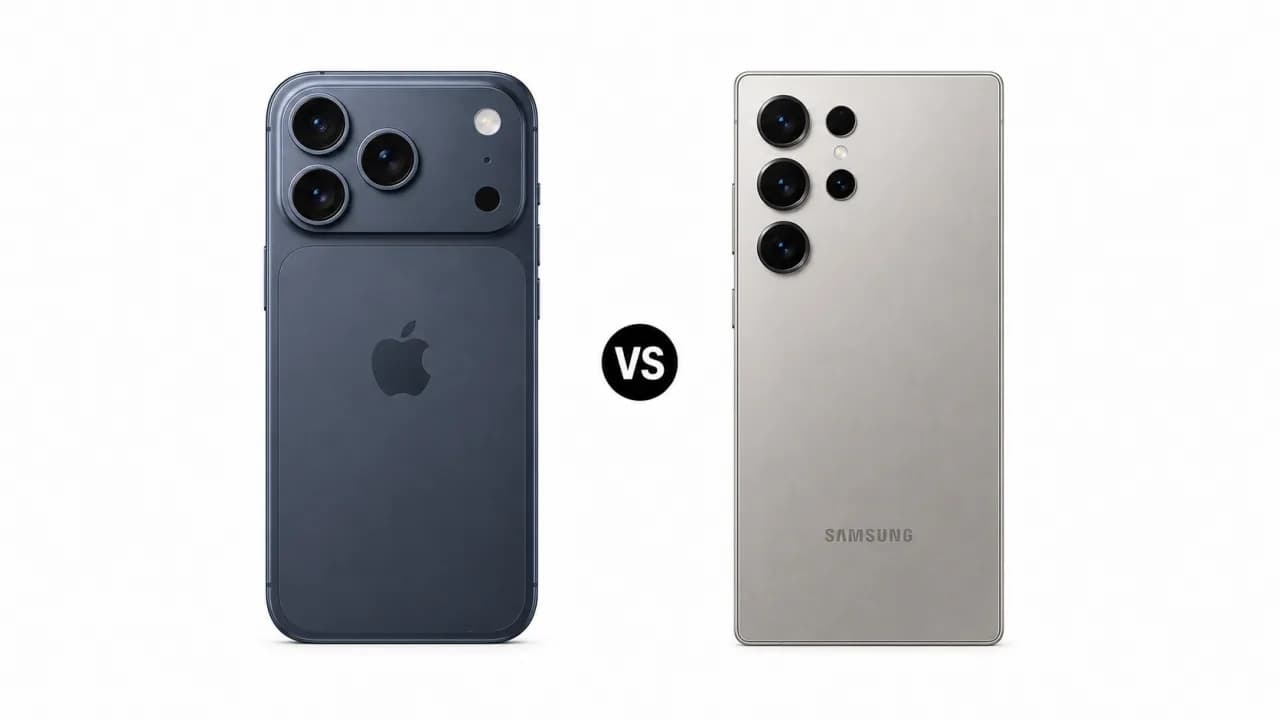
iPhone 17 Pro Max or Galaxy S26 Ultra?
Two large premium flagships: iPhone prioritises iOS continuity and video, while Galaxy adds S Pen, flexible zoom and customisation. Your existing ecosystem should decide.
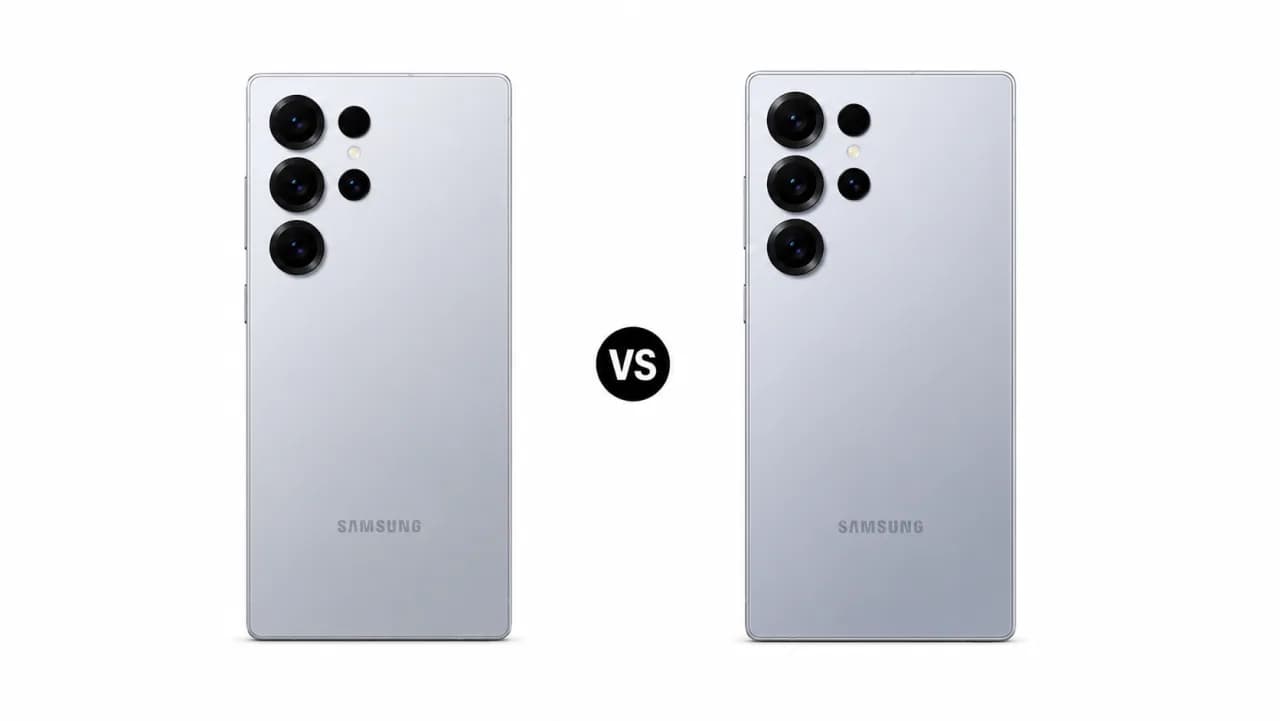
Galaxy S25 Ultra or Galaxy S26 Ultra?
The S26 Ultra makes an already complete formula thinner and lighter. S25 Ultra keeps the premium display, S Pen, zoom and speed, so depreciation is the decisive factor.
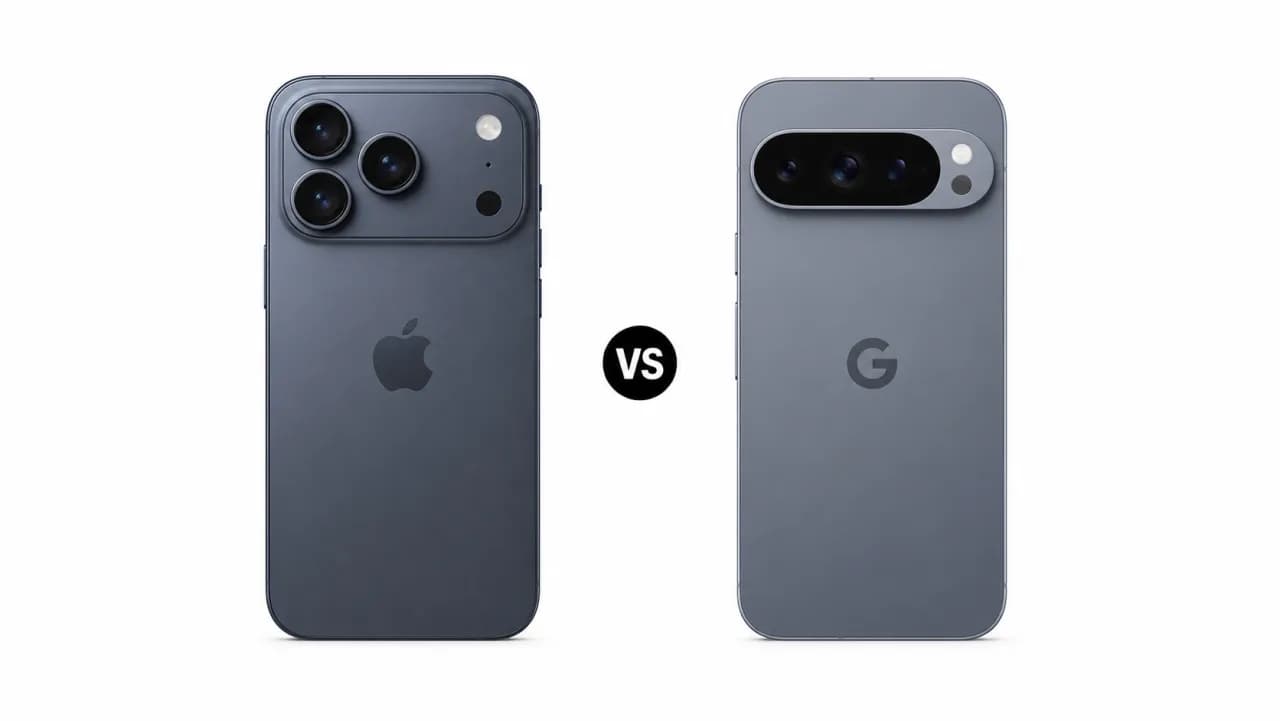
iPhone 17 Pro or Pixel 10 Pro?
Two compact premium phones with different priorities: iPhone favours video, accessories and consistency; Pixel leans into computational photography and a direct Google experience.
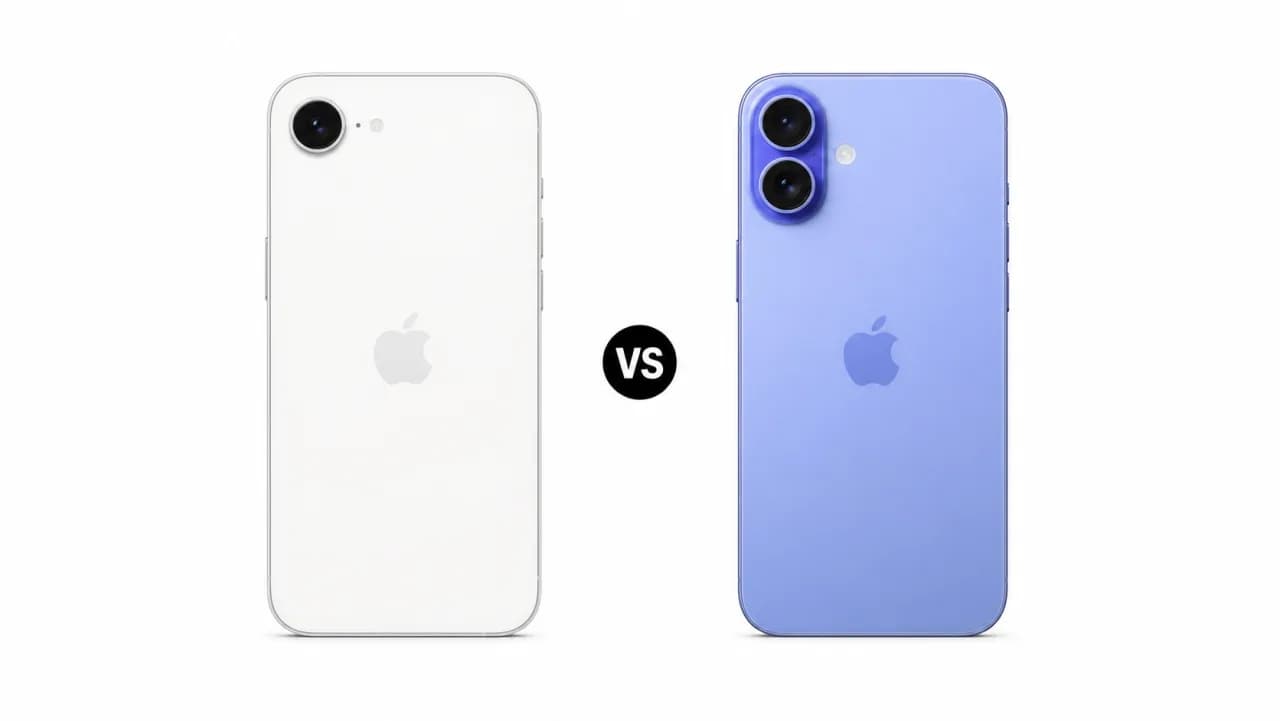
iPhone 16e or iPhone 16?
iPhone 16e keeps the A18 chip and core iOS experience with one rear camera. iPhone 16 adds ultrawide, Dynamic Island, MagSafe and greater flexibility.
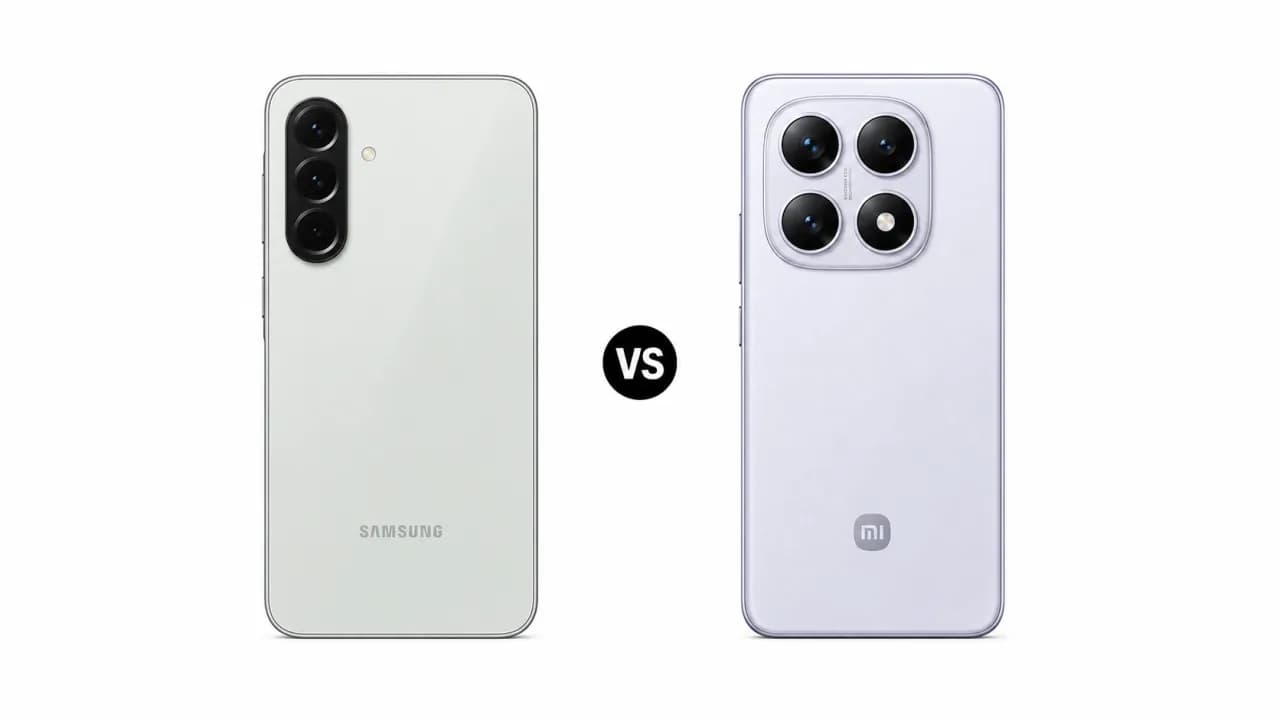
Galaxy A56 5G or Redmi Note 15 Pro 5G?
Galaxy A56 aims for predictable software support and stability; Redmi Note 15 Pro 5G pushes display, charging and camera resolution. It is software calm versus specifications.
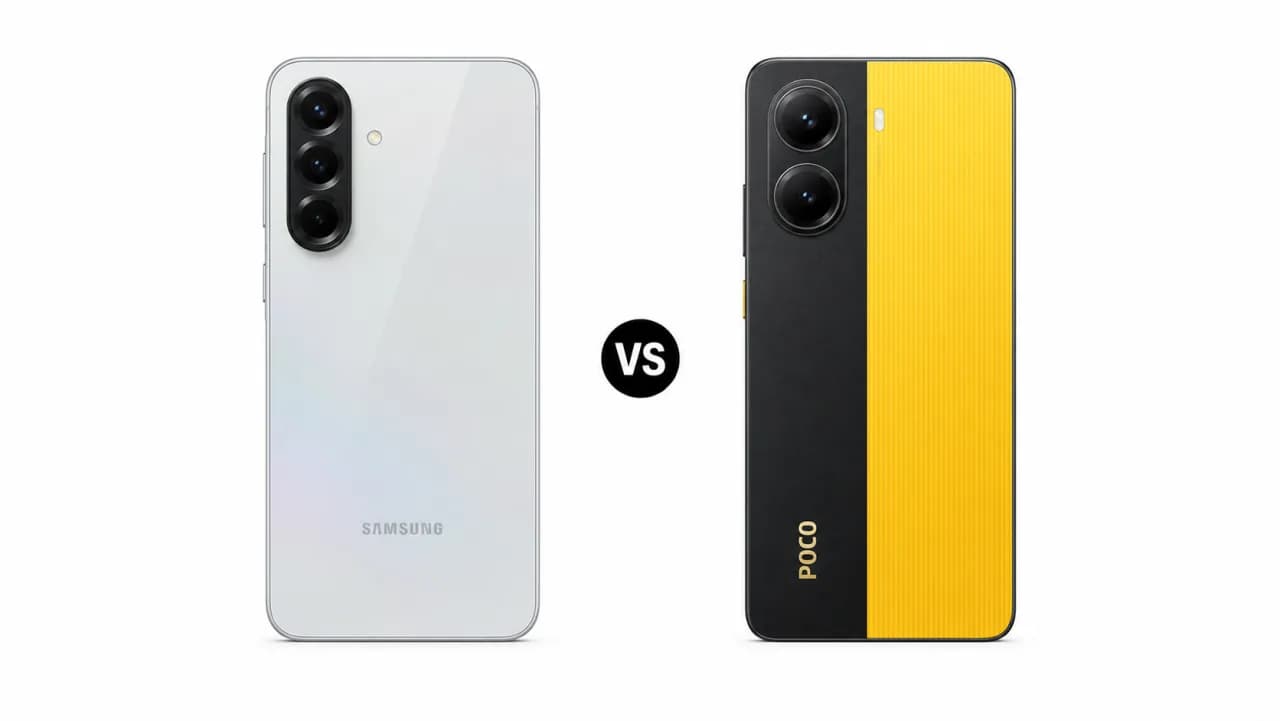
Galaxy A56 5G or POCO X7 Pro?
Galaxy A56 balances cameras, build and support. POCO X7 Pro openly prioritises processing power, charging and gaming at a similar budget.
Damji method
How we verify the information
This market watch is a benchmark, not an official valuation or a resale-price promise.